By Christopher Sexton December 22, 2025
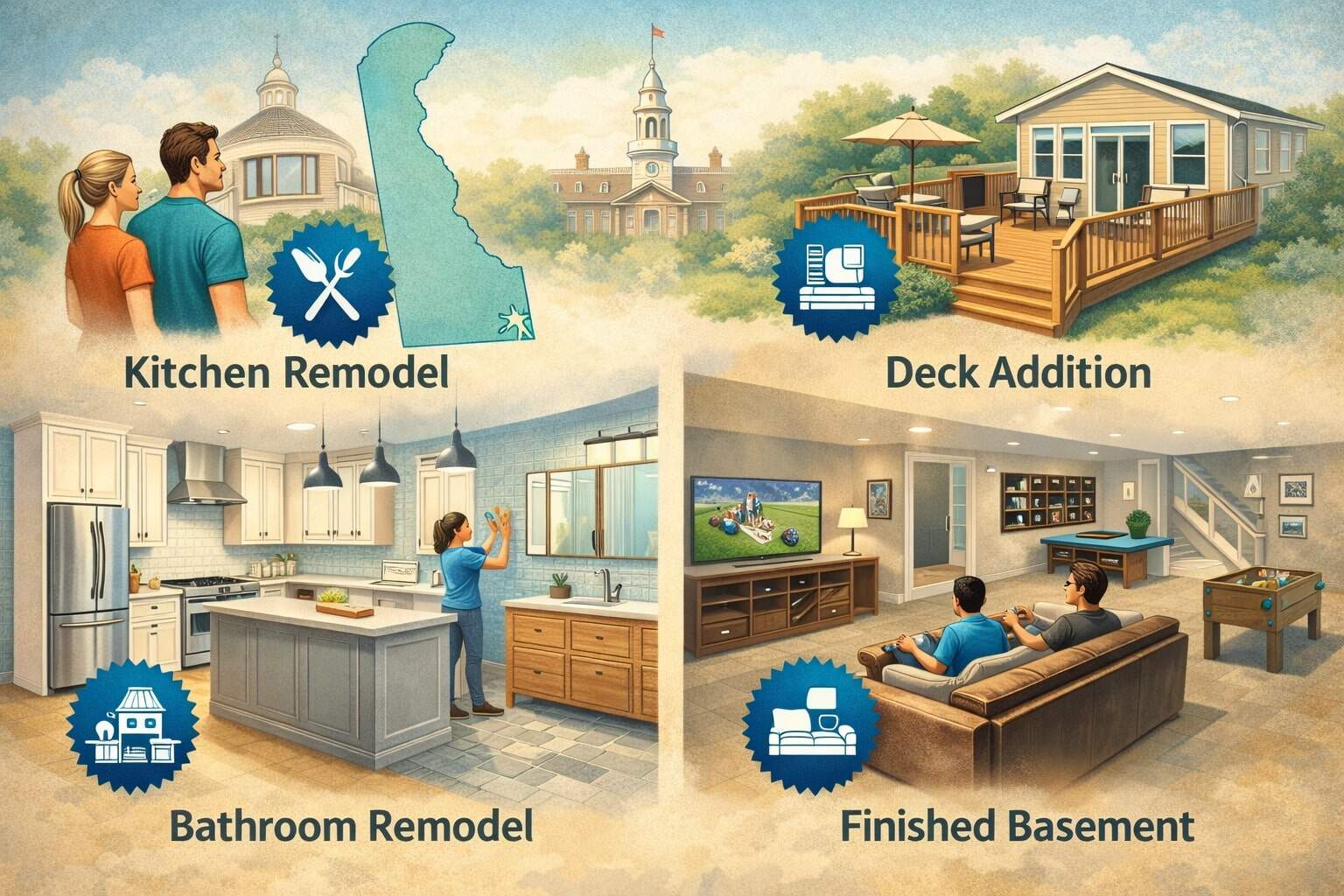
Homeownership in Delaware comes with a unique mix of historic neighborhoods, beach-area properties, and suburban communities spread across New Castle, Kent, and Sussex counties.
That variety is exactly why home remodeling projects in Delaware tend to focus on both comfort and resilience—making interiors more functional while also preparing for heat, humidity, and, in some areas, flooding and coastal weather.
If your goal is to increase home value, reduce maintenance, lower energy bills, or make everyday living easier, the “most popular” upgrades usually share one thing: they solve real problems for local homes.
Think kitchens that actually work for busy households, bathrooms that feel cleaner and safer, basements that become livable space, and outdoor areas that match Delaware’s lifestyle.
At the same time, more homeowners are planning home remodeling projects in Delaware with energy incentives in mind—especially insulation, HVAC electrification, and related upgrades tied to rebates and tax credits.
This guide breaks down the most in-demand remodels, what to prioritize inside each project, common pitfalls, permit considerations, and realistic future predictions—so you can plan home remodeling projects in Delaware that are easy to live with and easier to justify financially.
Kitchen Remodeling That Improves Daily Flow and Resale Appeal
Kitchen updates remain one of the most popular home remodeling projects in Delaware because they improve daily life and often rank high on buyer wish lists. A kitchen remodel doesn’t have to mean “gut everything.”
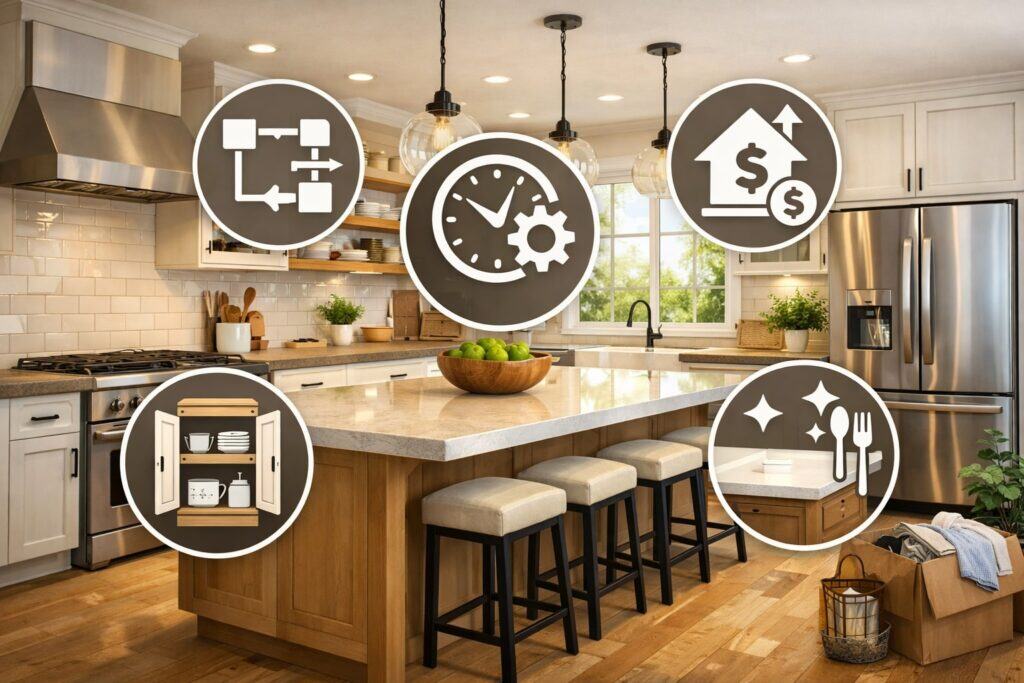
Delaware homeowners often get strong results by focusing on workflow, storage, lighting, and durable materials that can handle humidity and constant use.
A smart Delaware kitchen plan usually starts with how people actually move through the space. That means adjusting the layout for better prep areas, placing the trash and dishwasher logically, and improving landing zones near the refrigerator and oven.
Homes built decades ago may also benefit from rethinking cramped kitchens that were designed for a different era of cooking and entertaining.
Another reason kitchen remodels stay popular is that they can be scaled. You can do a phased approach—cabinets and counters first, appliances later—without losing the overall design direction.
And because kitchens involve electrical, plumbing, ventilation, and sometimes structural changes, they’re also a prime place to “do it right once,” especially if you plan to stay in the home long term. For many families, kitchen remodeling is the centerpiece of their home remodeling projects in Delaware strategy.
Layout Changes and Storage Solutions That Make Small Kitchens Feel Bigger
A functional layout is often worth more than high-end finishes. Many Delaware homes have kitchens where traffic cuts through the workspace. Fixing that can be as simple as extending a peninsula, widening a doorway, or relocating an appliance to reduce congestion.
Storage is the other big win. Deep drawers for pots, pull-out pantry shelves, vertical tray dividers, and corner solutions can dramatically increase usable space without increasing square footage. If your kitchen feels crowded, prioritize storage that matches what you own today—not what the prior homeowner owned.
Lighting is part of layout, too. Adding layered lighting—recessed overhead, under-cabinet task lighting, and a statement fixture over an island—makes the kitchen feel larger and safer. And because lighting upgrades often require electrical work, it’s wise to handle this during the remodel rather than patching it later.
In Delaware’s climate, easy-to-clean surfaces also matter. A smoother backsplash, durable flooring, and moisture-resistant paint can reduce upkeep. These are practical moves that consistently show up in home remodeling projects in Delaware because they offer daily convenience, not just “before-and-after” photos.
Materials, Finishes, and Design Directions Trending in 2025
Across many households, 2025 kitchen trends emphasize warmth, practicality, and fewer “fussy” features. National renovation trend reporting for 2025 points to homeowners prioritizing upgrades that improve livability and long-term satisfaction, not just quick flips.
For finishes, homeowners are leaning toward durable counters, easy-clean cabinet surfaces, and hardware that doesn’t show fingerprints. In Delaware, you’ll often see coastal-inspired palettes in beach communities, but even inland homes are moving toward calmer, natural tones that feel timeless. The “best” trend is the one you won’t hate in five years.
Also trending: improved ventilation and better appliance placement for real cooking. If you cook frequently, invest in a range hood that actually vents properly. If your home has a tight kitchen footprint, consider integrated storage and panel-ready appliances for a cleaner look.
Future prediction: kitchens will continue shifting toward “hybrid” use—cooking, homework, remote work check-ins, and casual entertaining. That means more outlets, better lighting control, and smarter storage.
Expect home remodeling projects in Delaware to increasingly include subtle tech features (like under-counter charging zones and smart lighting scenes) without turning the kitchen into a gadget showroom.
Budget Planning and Project Phasing Without Losing Quality
Kitchen remodel budgets can balloon fast, especially if you move plumbing or knock down walls. The key is choosing where to spend for durability and where to save without regret. Cabinets, counters, and installation quality usually matter more than decorative extras.
A practical approach is to lock your layout early, then choose materials within that footprint. Layout changes trigger more trades—framing, plumbing, electrical, HVAC—so confirm what’s necessary and what’s optional. If your current layout works, you can often keep costs controlled by staying “in place” with appliances and plumbing.
Phasing can work well for home remodeling projects in Delaware if you plan it like a system. For example: do structural/electrical changes and lighting first, then cabinets/counters, then appliances and cosmetic finishes. Just avoid phasing that forces rework—like installing flooring before moving cabinets if your plan requires cabinet relocation.
Future prediction: costs will remain sensitive to labor availability and material supply swings, so homeowners will increasingly prioritize standard sizes and readily available finishes. The most successful home remodeling projects in Delaware will be the ones designed for predictable installation—not custom complexity everywhere.
Bathroom Remodeling for Comfort, Cleanliness, and Aging-in-Place

Bathrooms are among the most popular home remodeling projects in Delaware because they combine health, comfort, and strong resale value. Homeowners typically remodel bathrooms to fix poor ventilation, outdated plumbing fixtures, worn finishes, and layouts that don’t match modern routines.
In many Delaware homes, especially older properties, bathrooms may have limited storage, weak lighting, and inadequate exhaust fans. That leads to moisture problems and daily frustration. A good remodel improves ventilation, reduces maintenance, and makes the space feel safer and easier to use.
Bathrooms are also a common place to add accessibility features quietly—without making the home feel “clinical.” Wider doorways, curbless showers, comfort-height toilets, and better lighting are increasingly common.
This is a major driver of home remodeling projects in Delaware, particularly for homeowners planning to stay put long term.
Walk-In Showers, Better Ventilation, and Moisture-Resistant Materials
Walk-in showers are popular because they feel modern, reduce trip hazards, and can be customized for storage and comfort. The key is doing waterproofing correctly—this is not the place for shortcuts. Pair a quality waterproofing system with slip-resistant tile and a properly sloped floor.
Ventilation is non-negotiable. A stronger, quieter exhaust fan (vented to the exterior) helps prevent mold and peeling paint. Many Delaware homeowners also upgrade lighting and add a humidity-sensing fan control so the bathroom automatically clears steam.
Material choices matter in humid conditions. Moisture-resistant drywall where appropriate, mold-resistant paints, and well-sealed surfaces reduce long-term upkeep. This is why bathroom upgrades continue to dominate home remodeling projects in Delaware: they solve a real durability issue.
Future prediction: bathrooms will increasingly include “spa” comfort features that are still practical—like warm lighting, built-in shower niches, and improved sound control—without necessarily adding huge square footage.
Vanity and Storage Upgrades That Reduce Clutter
A common complaint is “we remodeled, but we still have clutter.” The fix is storage design. Choose a vanity that fits your household routine: drawers for everyday items, organizers for grooming tools, and easy-clean surfaces.
Medicine cabinets can add huge utility without taking space—especially recessed models. Linen storage can be built in with tall cabinets or shelving that doesn’t crowd the room. In shared bathrooms, dual sinks can be helpful, but only if they don’t sacrifice storage.
Lighting is part of functional storage, too. Bright, even vanity lighting reduces shadows and makes daily tasks easier. When homeowners plan home remodeling projects in Delaware, they often underestimate how much better a bathroom feels when storage is intentionally designed.
Future prediction: expect more integrated storage (like in-wall niches and toe-kick drawers) because homeowners want cleaner counters and faster cleaning routines.
Accessibility and Safety Features That Still Look Stylish
Safety upgrades are no longer limited to “senior remodels.” Many homeowners want bathrooms that are comfortable for kids, guests, and future aging-in-place needs. Grab bars can be stylish. Curbless showers can look high-end. Non-slip flooring can be attractive.
Comfort-height toilets and lever handles are small changes that improve usability. Wider doorways and clear pathways matter if mobility ever becomes a concern. If you’re planning long-term, consider blocking behind shower walls for future grab bar placement even if you don’t install them today.
These design moves increasingly appear in home remodeling projects in Delaware because they’re future-proofing investments. They also appeal to buyers who want a home that won’t require immediate renovations.
Future prediction: accessibility will become more mainstream in design, with more products built to look sleek from the start—meaning Delaware homeowners won’t have to choose between safety and style.
Basement and Lower-Level Renovations to Add Livable Square Footage

Finished basements and lower-level conversions are popular home remodeling projects in Delaware because they add usable space without expanding the home’s footprint. Whether you want a family room, guest suite, fitness area, or home office, a basement remodel can transform how you use your home.
However, basement projects require careful planning. Moisture control, insulation, and code-compliant egress are the difference between a comfortable living area and a space that always feels damp and “temporary.” Delaware homeowners often prioritize basements for multi-purpose use: storage plus flexible living space.
If your home is in an area with flood risk, you’ll want to be especially careful about what materials you put below grade and how you handle mechanical systems. Some resilience planning resources for Delaware highlight the importance of flood readiness and the use of monitoring and planning tools.
Moisture Management, Dehumidification, and Mold Prevention
Moisture is the #1 basement risk. Before you install flooring or drywall, confirm water intrusion issues are solved. That might include grading outside, improving gutters and downspouts, sealing cracks, and using a sump pump where appropriate.
Even with no leaks, basements often need ongoing humidity control. A dedicated dehumidifier, better air circulation, and proper insulation choices help keep the space comfortable. Consider moisture-resistant flooring and wall systems designed for below-grade use.
This is a reason many homeowners treat basement work as specialized home remodeling projects in Delaware—it’s not just “finishing,” it’s building a conditioned environment that stays healthy year-round.
Future prediction: basement renovations will increasingly use modular, moisture-tolerant materials so repairs are easier if water events happen. Homeowners will also favor designs that allow quick drying and replacement of lower wall sections.
Egress, Lighting, and Code Considerations for Bedrooms and Guest Suites
If you want a basement bedroom, you usually need code-compliant egress. That often means an egress window or door and a safe path out. This can impact your budget, but it’s essential for safety and for legitimate use as a sleeping area.
Lighting is also key. Use a layered plan: recessed lights for general brightness, wall sconces or floor lamps for comfort, and daylight solutions where possible. Light-colored finishes and reflective surfaces can make basements feel less “underground.”
Because these upgrades can involve structural changes and permits, basements are among the more complex home remodeling projects in Delaware. Planning early prevents expensive revisions later.
Future prediction: more homeowners will convert basements into legal guest suites or rental-style spaces, increasing demand for egress solutions and private entrances.
Best Uses for 2025: Home Office, Media Room, Gym, and Multi-Gen Space
Work-from-home patterns have made home offices a durable trend. Basements can be ideal office zones when properly lit and insulated for sound. Media rooms also remain popular, especially when families want a dedicated place for entertainment that doesn’t take over the main living area.
Home gyms are another strong use case—particularly when the design includes rubber flooring, mirrors, and ventilation. Multi-generational living is rising too, and basements can provide privacy for older parents or adult children.
These use cases appear repeatedly in home remodeling projects in Delaware because they deliver value without requiring major additions.
Future prediction: basements will be designed more like “second living rooms” with improved acoustics, better internet wiring, and flexible partitions—so the space can evolve as household needs change.
Outdoor Living Upgrades That Match Delaware’s Lifestyle

Outdoor living spaces are high on the list of home remodeling projects in Delaware, especially in communities where homeowners want to enjoy mild seasons, host gatherings, and make backyards more usable. Popular upgrades include decks, patios, screened porches, outdoor kitchens, and landscaping improvements that reduce maintenance.
Outdoor projects can boost both lifestyle and curb appeal. They also create “functional square footage” without the cost of a full addition. The key is designing for how you’ll actually use the space—dining, lounging, grilling, fire pit nights, or quiet mornings.
In coastal or storm-prone areas, outdoor upgrades should also account for wind, corrosion, and water exposure. Resilience planning in Delaware often encourages thinking about hazards and adapting to changing conditions.
Decks, Patios, and Screened Porches That Extend Your Season
Decks and patios are among the most straightforward outdoor home remodeling projects in Delaware, but they still require smart choices. Composite decking can reduce maintenance, while pressure-treated lumber may cost less upfront but requires ongoing upkeep.
Screened porches are especially popular because they reduce bugs and make outdoor time more comfortable. Ceiling fans, durable screens, and weather-resistant flooring can turn a porch into a three-season living area.
Drainage matters. A beautiful patio that puddles after rain becomes a frustration fast. Plan grading and runoff so the space stays usable.
Future prediction: more outdoor builds will include lighting zones, ceiling heaters, and partial enclosures to extend the season further—without fully conditioning the space like an interior room.
Outdoor Kitchens and Entertainment Features That Add Real Function
Outdoor kitchens are no longer just a grill on a pad. Many homeowners build prep space, storage, and even small refrigerators to keep hosting easy. The trick is selecting materials that handle weather and stay easy to clean.
If your outdoor kitchen includes plumbing or gas, plan carefully and ensure proper installation. Add outlets where you actually need them—near prep zones and seating areas. Consider a shade structure or pergola to keep the area comfortable during peak sun.
This kind of upgrade is popular in home remodeling projects in Delaware because it changes how families use their homes during warmer months—and it can reduce wear on indoor kitchens during gatherings.
Landscaping, Drainage, and Low-Maintenance Enhancements
Landscaping is often underrated. Strategic plantings, improved walkways, and better drainage can make the whole property feel more polished. Many homeowners also choose low-maintenance designs: mulch beds, native-friendly plantings, and defined zones that cut down on mowing.
Drainage upgrades are especially valuable. Downspout extensions, swales, and permeable hardscapes can reduce water problems around the foundation.
These improvements show up frequently in home remodeling projects in Delaware because they protect the home and make the yard more enjoyable without constant upkeep.
Future prediction: more homeowners will combine landscaping with resilience planning—using designs that manage stormwater better and reduce erosion, especially in lower-lying or coastal-adjacent zones.
Energy Efficiency and Electrification Upgrades That Lower Bills
Energy upgrades have become some of the most strategic home remodeling projects in Delaware because they can improve comfort and reduce long-term operating costs. More homeowners are pairing renovations with incentives such as rebates and tax credits when available.
Delaware’s energy office has described home energy rebate programs tied to the Inflation Reduction Act, including potential rebates for measures like heat pumps, insulation, air sealing, ventilation, and electric load upgrades (pending approvals and program rollout).
Additionally, federal tax credits may apply to certain efficiency upgrades, with annual limits (for example, the IRS describes an annual cap up to $3,200 for qualifying improvements under the Energy Efficient Home Improvement Credit).
Insulation and Air Sealing for Comfort in Every Season
Insulation and air sealing are “invisible” upgrades that make a noticeable difference. Drafty rooms, uneven temperatures, and high utility bills often come from air leaks and weak insulation, not just old HVAC equipment.
Target common leakage points: attic penetrations, rim joists, older windows/doors, and ductwork. Then insulate where it matters most—attics and crawlspaces often deliver strong returns.
Homeowners prioritize these steps in home remodeling projects in Delaware because they improve comfort immediately. They also make future HVAC upgrades more effective, since your system isn’t fighting constant heat gain or loss.
Heat Pumps, HVAC Modernization, and Electric Panel Readiness
Heat pumps are gaining popularity because they provide both heating and cooling efficiently in many homes. If you’re considering switching, evaluate ductwork condition, system sizing, and whether your electrical panel can support upgrades.
Some rebate programs and federal credits may support electrification measures depending on eligibility and timing. Delaware’s state energy information notes possible rebates across electrification measures and related upgrades as programs are approved and implemented. Federal guidance also outlines tax credits for qualifying efficiency improvements.
As part of home remodeling projects in Delaware, homeowners often add smart thermostats and zoning where feasible to improve comfort without overworking equipment.
Windows, Doors, and Ventilation Improvements That Actually Perform
New windows and doors can improve comfort, but only if they’re chosen and installed correctly. Poor installation can erase performance gains. Focus on air sealing around openings, proper flashing, and choosing products that match your home’s needs.
Ventilation is also part of energy performance. Bathrooms and kitchens need effective exhaust. Whole-home ventilation can help with indoor air quality in tighter homes after air sealing upgrades.
These improvements remain popular home remodeling projects in Delaware because they reduce drafts, improve noise control, and help homes feel “newer” without changing the footprint.
Whole-Home Remodeling and Additions for Growing Households
When homeowners outgrow their current layout, they often turn to whole-home remodeling or additions—especially if moving feels expensive or disruptive. These larger home remodeling projects in Delaware can deliver a “new home feel” while keeping the neighborhood, schools, and routines you already like.
Whole-home remodels typically focus on opening up main living areas, improving traffic flow, and updating older systems (electrical, plumbing, HVAC) at the same time. Additions can solve space constraints, but they require careful design so the new area blends with the existing home.
In many parts of Delaware, homeowners also consider accessory dwelling units (ADUs) or in-law-style arrangements when local rules allow, especially for multi-generational living.
Open-Concept Reconfiguration and Structural Planning
Open-concept changes can make a home feel dramatically larger. But removing walls isn’t just cosmetic—it can require structural beams, posts, and engineering. The most successful projects balance openness with practical zones for storage, seating, and noise control.
If you’re updating a home with older wiring, this is also a chance to improve outlets, lighting circuits, and future readiness. Consider where you’ll place furniture and how you’ll use the space before finalizing a layout.
These decisions are central to home remodeling projects in Delaware because many homes were designed for more separated rooms. Today’s households often want visibility between kitchen, dining, and living spaces while still keeping some separation for work and privacy.
Additions, Sunrooms, and Bump-Outs That Add Space Efficiently
Additions don’t always need to be massive. Bump-outs can expand kitchens, create breakfast nooks, or add a larger primary bath. Sunrooms and four-season rooms are also popular for homeowners who want more light and flexible living space.
Plan mechanical systems early. Will your HVAC support the new square footage? Will you need a mini-split or expanded ductwork? Also consider rooflines and exterior materials so the addition looks intentional.
Because additions can involve permitting and inspections, they’re among the most complex home remodeling projects in Delaware. The upside is major: you can add the exact type of space your household needs, from a playroom to a first-floor bedroom.
Multi-Generational Living and ADU-Style Spaces
More families want homes that support multiple generations. That might mean a first-floor bedroom and bath, a private suite, or a separated lower-level space.
If an ADU is allowed in your jurisdiction, it can provide long-term flexibility: housing a family member now, offering guest space later, and potentially supporting rental income in the future (where permitted). Planning for sound control, privacy, and separate entrances becomes crucial.
This trend is shaping home remodeling projects in Delaware because it aligns with practical needs—caregiving, college-age returns, and long-term aging-in-place.
Permits, Local Rules, and Smart Planning for Delaware Renovations
Permits and inspections can shape your timeline and scope, especially for structural, electrical, plumbing, and addition work. Because requirements vary by county and municipality, homeowners should treat permitting as a project phase, not an afterthought.
For example, Sussex County states that all construction—new, remodeling, or additions—requires a county-issued building permit, and notes the process may involve in-person applications and other requirements.
Kent County provides guidance on permitting requirements and adopted codes, emphasizing what does and doesn’t require a permit. Many local jurisdictions also publish renovation and permit requirement pages (including guidance for common project types).
Contractor Selection, Project Scope, and Documentation
A reliable contractor is often the difference between a smooth remodel and a stressful one. Compare bids that define scope clearly—materials, allowances, timelines, and what happens if conditions are found behind walls.
Documentation protects you. Keep records of permits, inspections, receipts, and product specs. If you plan to sell later, these documents support buyer confidence and can reduce negotiation friction.
Many homeowners underestimate how much clarity helps. Clear scope reduces change orders. Clear selections reduce delays. That’s why planning and documentation remain foundational to successful home remodeling projects in Delaware.
Budgeting, Contingency Planning, and Timeline Reality
Almost every remodel needs a contingency budget. Older homes can hide surprises: outdated wiring, plumbing issues, structural repairs, or moisture problems.
A practical approach is to decide upfront what you’ll do if you find unexpected issues. Will you reduce finish upgrades to cover essential repairs? Will you phase the remodel? Answering these questions early helps you stay calm when the project gets real.
Timeline reality matters too. Order lead times, permitting, and trade coordination can stretch schedules. This is why experienced homeowners treat home remodeling projects in Delaware like a process with stages, not a single “start date.”
Flood Awareness and Resilience Considerations for Vulnerable Areas
If your property is in a flood-prone zone, resilience planning should shape material choices and mechanical placement. Delaware has flood readiness resources and monitoring tools referenced by statewide planning initiatives.
Resilience doesn’t always mean big construction. It can mean elevating utilities, choosing moisture-tolerant materials in lower levels, improving drainage, and ensuring safe egress. These choices matter because they reduce damage risk and speed recovery after extreme weather.
This is increasingly part of home remodeling projects in Delaware, especially in areas influenced by coastal conditions. Future prediction: resilience upgrades will become more standard in remodel scopes, with homeowners expecting designs that protect investment—not just beautify interiors.
FAQs
Q.1: What are the most popular home remodeling projects in Delaware right now?
Answer: The most popular home remodeling projects in Delaware typically include kitchen remodeling, bathroom upgrades, basement finishing, outdoor living spaces (decks, patios, screened porches), energy efficiency improvements, and whole-home layout changes. Energy-focused upgrades are rising due to rebate and tax credit interest.
Q.2: Do I need a permit for remodeling work?
Answer: Often, yes—especially for structural, electrical, plumbing, HVAC changes, additions, and many exterior projects. Requirements vary by county and municipality.
Sussex County indicates all construction, including remodeling, requires a county-issued building permit. Kent County provides permitting requirement guidance and adopted code references. Always confirm with your local office before starting.
Q.3: Which upgrades help lower monthly utility costs the most?
Answer: For many homes, the biggest wins come from air sealing and insulation, followed by HVAC modernization (including heat pumps when appropriate) and improving ventilation and window/door performance.
Delaware’s energy rebate program information highlights measures like insulation, air sealing, ventilation, heat pumps, and load service upgrades. Federal tax credit guidance also supports certain energy-efficient improvements.
Q.4: How can I remodel a basement safely if moisture is a concern?
Answer: Start by fixing water intrusion risks first (grading, gutters, cracks, sump solutions where needed). Then design the basement as a moisture-managed space: dehumidification, correct insulation, and below-grade appropriate materials. In some areas, resilience planning and flood awareness resources can help guide decisions.
Q.5: What’s the biggest mistake homeowners make during a remodel?
Answer: One of the biggest mistakes is starting construction before scope and selections are finalized. That leads to delays, change orders, and “patchwork” decisions. Another common mistake is ignoring permits or inspections, which can create problems at resale or during insurance claims. Local permitting guidance can help prevent that.
Conclusion
The most successful home remodeling projects in Delaware share three traits: they solve a real household problem, they match the home’s structure and environment, and they’re planned with long-term durability in mind. Kitchens and bathrooms stay at the top because they affect daily routines.
Basements and outdoor living spaces remain popular because they add usable space without changing your address. And energy efficiency upgrades are accelerating because they improve comfort and may align with rebate and tax credit opportunities.
Looking ahead, future-focused remodeling in Delaware will likely center on flexibility (spaces that adapt to work, family changes, and aging), electrification readiness (panels and HVAC planning), and resilience (materials and designs that recover faster from moisture and storms).
If you treat your remodel like a system—layout, comfort, durability, and compliance working together—you’ll end up with home remodeling projects in Delaware that feel better every day and hold value for years.