
A home renovation planning checklist for Delaware is the difference between a smooth upgrade and a budget-eating, schedule-busting headache. Delaware has a small footprint, but renovation rules can vary widely by county, town, and even neighborhood restrictions.
A smart plan accounts for zoning, permits, inspections, contractor licensing, energy-code expectations, and coastal or floodplain constraints—all before you swing a hammer.
This guide is built to be used as a real-world home renovation planning checklist for Delaware, not just a generic blog post. You’ll see what to confirm, when to confirm it, and how to keep decisions from piling up late in the project.
You’ll also get practical “if this, then that” guidance for kitchens, baths, additions, roofing, HVAC swaps, window replacements, decks, basements, and whole-home remodels.
As you read, remember: a home renovation planning checklist for Delaware should always start with your property reality (lot, zoning, HOA/deed restrictions, flood risk, historic rules), then move into design and scope, then budget and contractor selection, and only then into permits, scheduling, and construction. Many people do this backwards—and pay for it.
Define your renovation goals and scope the right way

The first step in a home renovation planning checklist for Delaware is defining what “done” actually means.
Not “renovate the kitchen,” but a clear outcome such as: “Improve storage, replace failing cabinets, add better lighting, and update appliances while keeping existing plumbing locations.” That single sentence reduces change orders because it forces you to decide what matters.
Start by separating goals into three buckets:
- Must-have fixes (leaks, unsafe wiring, moisture, failing roof, broken HVAC).
- Function upgrades (layout, storage, accessibility, soundproofing, mudroom flow).
- Finish upgrades (tile, fixtures, paint, trim, lighting style).
A strong home renovation planning checklist for Delaware also includes “constraints”: work-from-home needs, school schedules, pets, parking, noise hours, and whether you can live in the home during work. These constraints shape the construction sequence and help your contractor price labor realistically.
Next, scope the project with “boundaries” so it doesn’t expand quietly. Examples: “No structural wall removal,” “No moving the gas line,” or “Only replace windows on the back elevation this year.”
If you do want structural changes, identify them early because they can change engineering needs, permitting, and inspections.
Finally, write a one-page scope summary you can hand to designers and contractors. When everyone bids the same scope, your quotes become comparable. That is the practical core of a home renovation planning checklist for Delaware—clarity before commitment.
Evaluate your property: zoning, deed restrictions, HOA rules, and local constraints
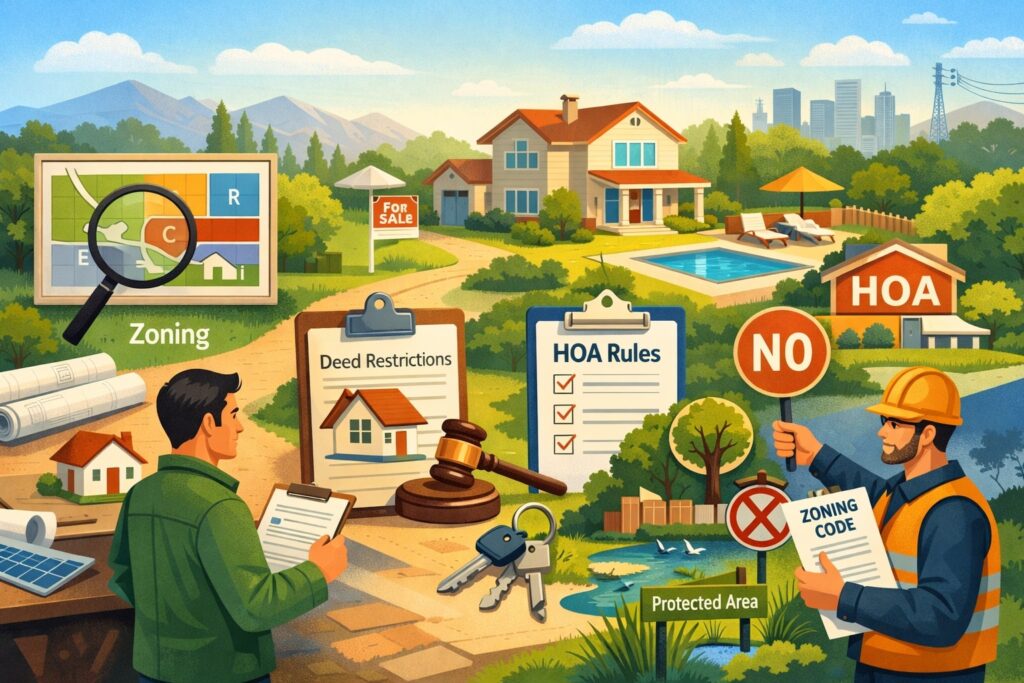
A home renovation planning checklist for Delaware must include property constraints because they can override what you want to build. In many parts of Delaware, you’ll deal with a mix of county rules, municipal rules (if you’re inside town limits), and private restrictions like HOA bylaws or deed covenants.
New Castle County, for example, explicitly reminds property owners to review zoning requirements and community deed restrictions before submitting permit applications.
Start with these checks:
- Are you in a municipality or only county jurisdiction? Towns can have separate zoning approvals or sign-offs before the county processes permits. Kent County permitting guidance highlights that projects within a town’s jurisdiction may require a permit or a signed letter from that town’s zoning official.
- Setbacks and lot coverage: Additions, decks, sheds, and garages can trigger setback rules.
- Easements and utilities: You might not be allowed to build where drainage or utility easements exist.
- HOA / deed restrictions: These can control exterior color, fence style, roof materials, window styles, and even work hours.
Also evaluate environmental and location-specific factors. A home renovation planning checklist for Delaware should include flood risk and drainage conditions if you’re near low-lying areas, creeks, or coastal zones.
Even if you’re not doing a major addition, simple changes like finishing a basement or adding exterior doors can matter if floodplain rules apply.
Do a “property reality” walk: note cracks, water stains, sloped floors, old aluminum wiring, aging panels, and signs of moisture. This isn’t about panic—it’s about preventing surprises once walls open. The best renovation plans in Delaware assume the house will reveal something, and they budget for it.
Build a realistic budget with Delaware-specific cost drivers

Your home renovation planning checklist for Delaware should treat budgeting as a system, not a number. Most renovation blowups come from three predictable issues: unclear scope, hidden conditions, and finish selections made too late.
Start with a layered budget:
- Construction cost (labor + materials)
- Soft costs (design, engineering, permits, surveys)
- Owner costs (appliances, furniture, temporary housing, storage pods)
- Contingency (typically larger for older homes or when moving plumbing/electrical)
In Delaware, budget drivers often include permit/inspection workflows that vary by county/municipality, plus energy-code expectations that can affect insulation, HVAC efficiency, and window specs.
Delaware’s building energy codes have been tied to the 2018 International Energy Conservation Code (IECC) (effective Dec. 11, 2020 per DNREC) and are enforced locally, which means compliance steps can vary by jurisdiction.
That “enforced locally” part matters: it can change how much documentation your inspector expects and whether you need additional testing or details from installers.
Also watch these common budget “silent add-ons”:
- Disposal and dump fees (especially for heavy demo)
- Material lead times (rush shipping is expensive)
- Upgrades you didn’t plan (panel upgrades when adding EV charger or heat pump)
- Moisture remediation (mold treatment, flashing fixes, rot repair)
A solid home renovation planning checklist for Delaware includes a “decision deadline calendar.” Decide cabinets, tile, plumbing fixtures, lighting, flooring, and paint colors early enough that the contractor can order materials without delaying work. Late decisions cause gaps in the schedule, and gaps cost money.
Finally, plan the “unknowns” honestly. If your home is older, assume you’ll find something behind the walls. Your budget should reflect reality, not optimism.
Choose the right professionals: designer, architect, engineer, and contractor

A home renovation planning checklist for Delaware should tell you when to hire which professional, because hiring the wrong person (or hiring too late) creates expensive redesign and permit delays.
Use this simple rule:
- Cosmetic refresh (paint, flooring, fixtures) → likely no architect needed, but you may still want a designer.
- Layout changes (moving walls, reworking kitchens/baths) → designer + possibly an architect.
- Structural changes (removing load-bearing walls, additions, major roof framing) → architect + structural engineer.
- Mechanical-heavy upgrades (HVAC redesign, major electrical service change) → licensed trade pros early.
Delaware also has trade licensing oversight through the Division of Professional Regulation (DPR) for key trades like electricians, plumbers, and HVAC professionals. Even when your general contractor runs the project, you want confidence that the electrical, plumbing, and HVAC work is performed by properly credentialed professionals for that trade.
When interviewing contractors, your home renovation planning checklist for Delaware should include:
- Proof of insurance (liability and, if applicable, workers’ comp)
- References for similar projects (not just any project)
- A clear process for change orders
- A line-item estimate or clearly defined allowances
- Timeline assumptions (what causes delays and how they handle them)
Also: verify who is actually doing the work. Some companies sell the job and subcontract everything. That’s not automatically bad, but you need transparency. Your goal is alignment: the team’s process should match your level of involvement and your tolerance for decisions.
If you want the renovation to feel calm, choose professionals who communicate clearly. The best home renovation planning checklist for Delaware includes communication rules: weekly updates, photo documentation, and a single place where decisions are recorded.
Permits and approvals: what to check before you start work
Permitting is where many Delaware projects stall, so your home renovation planning checklist for Delaware should treat permits as an early-phase deliverable, not an afterthought.
At minimum, expect permits for projects that affect structure, safety systems, or exterior changes—like additions, decks, significant electrical work, plumbing modifications, new HVAC systems, and window/door changes that alter openings.
Requirements vary by county and municipality, and some jurisdictions require zoning sign-offs or documentation before a building permit is issued.
Kent County’s single-family permitting guidance highlights town jurisdiction sign-offs in some cases and references use of an online permitting system. New Castle County guidance also emphasizes confirming zoning and deed restrictions before applying.
Pre-permit checklist items (put these in your Delaware plan):
- Confirm jurisdiction (county vs town) and where you apply
- Confirm whether zoning review is required for your scope
- Identify which trade permits are required (electrical/plumbing/HVAC)
- Prepare site plan and drawings appropriate to your work
- Ask what inspections will be required and in what order
A good home renovation planning checklist for Delaware also includes a “permit reality” note: even if a contractor says “we don’t need a permit,” you should independently confirm with the local building office for your address. If you skip permits and later sell the home, unpermitted work can trigger repair demands, delays, or price reductions.
Finally, plan your schedule around approvals. Permitting and inspection availability can be a bigger timeline driver than the actual construction work. Build this into your project calendar so you’re not paying for idle labor or rescheduling trades repeatedly.
Energy code and efficiency upgrades: plan for current rules and what’s next
If you want a renovation that feels modern for the next decade, your home renovation planning checklist for Delaware must include energy planning. That means insulation levels, air sealing, window performance, HVAC efficiency, ventilation, and sometimes “electrification-ready” decisions.
Delaware’s energy code has been based on adoption of the 2018 International Energy Conservation Code (IECC) (effective Dec. 11, 2020), and DNREC notes that enforcement and compliance are determined at the local level.
That local enforcement detail matters: you should ask your jurisdiction what they expect for documentation, especially for bigger remodels or additions.
Also, Delaware has been moving toward updated energy standards. A DNREC regulatory document (SAN 2025 draft) describes an action aimed at adopting the 2024 IECC with “zero net energy capable” amendments for residential buildings.
Even if your permit is under today’s enforced rules, you should design with this direction in mind, because future resale expectations and incentive programs often track code trends.
Efficiency-focused checklist items:
- Add insulation where walls are open (it’s cheapest then)
- Air seal penetrations (wiring, plumbing, attic access)
- Consider heat pumps for heating/cooling and heat pump water heaters
- Upgrade ventilation (especially when you tighten the building envelope)
- Plan electrical capacity for future loads (EV charging, induction cooking)
Future prediction (practical, not hype): Delaware renovation expectations are likely to keep shifting toward lower energy use and “electric-ready” homes, especially as newer IECC versions and “net zero capable” concepts influence local practice.
A renovation that ignores this may feel outdated sooner—while one that plans for it can improve comfort and long-term operating costs.
Materials, ordering, and lead times: prevent schedule chaos
A home renovation planning checklist for Delaware should include procurement as a core planning phase. This is one of the most overlooked parts of renovation management, and it’s why projects “mysteriously” stretch for months.
Your contractor’s timeline depends on when cabinets arrive, when windows arrive, and when specialty items like custom showers, exterior doors, or stair parts arrive. Even if labor is available, missing materials can stop work.
Use a procurement plan with three lists:
- Long-lead items (cabinets, windows, exterior doors, custom tile, specialty lighting).
- Decision-sensitive items (plumbing fixtures, appliance specs, electrical trim).
- Jobsite basics (drywall, lumber, insulation—usually easier, but still plan).
Your home renovation planning checklist for Delaware should also include “spec locking.” That means once you choose a product, you lock the exact model number, finish, and dimensions.
Switching from a 30-inch range to a 36-inch range late in the job can force cabinet redesign, electrical changes, vent hood changes, and countertop changes.
Also plan for weather and seasonality. Delaware has humid summers and cold spells that can affect exterior work, paint curing, and concrete schedules. A smart checklist includes a seasonal construction strategy—like scheduling exterior painting, roofing, and deck work during favorable conditions.
Finally, build a staging plan: where materials are stored, how floors are protected, and how deliveries are handled. This reduces damage, reduces rework, and keeps your renovation site safer.
Construction scheduling and living-through-renovation strategy
A home renovation planning checklist for Delaware is not complete without a living strategy, because “renovation stress” is often a logistics problem in disguise. Even a mid-sized project can disrupt cooking, bathing, parking, and quiet hours.
Start with sequencing:
- Demo and rough work (framing, plumbing, electrical, HVAC)
- Insulation and closures (drywall)
- Finishes (flooring, cabinets, tile, paint)
- Trim-out (fixtures, appliances, final electrical/plumbing)
- Punch list and final inspections
Ask your contractor to map the critical path: the sequence of tasks that, if delayed, delay everything. Your home renovation planning checklist for Delaware should track the critical path weekly.
If you’re living in the home, decide:
- How you’ll handle cooking (temporary kitchenette, grill, microwave station)
- How you’ll handle bathing (staging bathrooms, gym membership, family plan)
- Dust control plan (zip walls, negative air, daily cleanup expectations)
- Quiet hours (especially if you’re in a neighborhood with restrictions)
Include a communication rhythm: weekly site meetings or weekly photo/video updates, plus a written “decisions needed” list. Many homeowners lose time because they don’t realize a decision is blocking work until the crew is standing still.
Finally, set rules for change orders. A home renovation planning checklist for Delaware should require that every change order includes: description, cost impact, time impact, and a signature (even if digital). This protects both you and the contractor from misunderstandings.
Safety, health, and risk management for older Delaware homes
A smart home renovation planning checklist for Delaware includes health and safety planning—especially if your home is older. Renovation can expose hazardous dust, create temporary fall risks, and uncover hidden damage that needs immediate decisions.
Key risk categories to plan for:
- Dust and indoor air quality: Demo dust spreads fast. Plan containment and filtration.
- Moisture and mold: Bathrooms, basements, and around windows are common risk zones.
- Electrical safety: Older panels, overloaded circuits, or outdated wiring can be revealed.
- Structural surprises: Rot, insect damage, undersized framing, or past DIY repairs.
If you’re opening walls, build in time for “discovery days”—a short window where the team evaluates what’s behind finishes and finalizes the true scope. This reduces panic decisions midstream.
Your home renovation planning checklist for Delaware should also include insurance and documentation:
- Confirm contractor insurance and keep copies
- Photograph existing conditions before work
- Keep permits, inspection results, product specs, and warranties in one folder
- Track serial numbers for major appliances and HVAC units
If children, seniors, or pets live in the home, create “no-go zones” and secure tools daily. Renovation sites change every day, and yesterday’s safe path can become today’s hazard.
The end goal is not fear—it’s control. The best Delaware renovations are the ones where risks were expected, priced, and managed instead of discovered late and handled emotionally.
Coastal, flood, and environmental considerations: Delaware-specific planning
A home renovation planning checklist for Delaware should include coastal and environmental awareness if your property is near tidal areas, waterways, wetlands, or low elevations. Delaware’s coastline and bays make some locations more sensitive to storm surge, high groundwater, and erosion.
First, understand what applies to your exact property. Some rules are aimed at industrial or heavy activity.
For example, DNREC describes the Coastal Zone Act as regulating certain manufacturing, heavy industry, and bulk product transfer activities in Delaware’s coastal zone via permitting.
While most homeowners won’t interact with that program directly for typical home remodeling, it’s still a reminder that coastal areas can trigger additional DNREC considerations depending on what you’re building and where.
For homeowners, the most common coastal-related issues are:
- Floodplain requirements (elevation, materials, and what’s allowed below certain levels)
- Drainage and stormwater management (especially for additions or hardscaping)
- Wind resistance considerations for roofing and exterior assemblies
- Corrosion-resistant materials near salty air
Your home renovation planning checklist for Delaware should include a “resilience upgrade” decision: If you’re already doing exterior work, consider improvements that reduce storm damage—better flashing, upgraded underlayment, improved drainage around foundations, and reinforced connections where appropriate.
Future prediction: resilience planning will likely become more normal, not optional, especially in locations that repeatedly experience flooding or high-wind events.
Even if a project is permitted under today’s baseline expectations, buyers and insurers increasingly care about durability and water management. Planning these upgrades while walls and roofs are already open is typically far cheaper than retrofitting later.
Final walkthrough, inspections, warranty, and long-term maintenance plan
The last phase of a home renovation planning checklist for Delaware is where you protect your investment. Many homeowners rush the finish line, accept small defects, and then struggle to get fixes scheduled once the contractor has moved on.
Plan a structured closeout:
- Pre-final walkthrough: Identify issues before final inspection so fixes aren’t rushed.
- Final inspection(s): Confirm what inspections are needed for building and each trade. Because permitting and compliance are jurisdiction-specific, keep your local inspection list handy from the start.
- Punch list: One shared document, prioritized (safety/function first, cosmetics second).
- Documentation handoff: Warranties, manuals, paint codes, tile specs, spare materials list.
Your checklist should also include a maintenance roadmap. For example:
- Reseal grout or stone (as needed)
- Replace HVAC filters regularly
- Inspect caulking around tubs, showers, and windows
- Clean dryer vents and bathroom exhausts
- Check exterior drainage seasonally
If you upgraded insulation, air sealing, or HVAC, track comfort and utility performance over time. This helps you verify the renovation worked as intended and guides future improvements.
Finally, store proof that permits and inspections were completed. If you ever refinance or sell, this record reduces friction. A well-run home renovation planning checklist for Delaware ends with a home that’s not only prettier, but safer, more comfortable, and easier to maintain.
FAQs
Q.1: Do I always need a permit for a home renovation in Delaware?
Answer: A home renovation planning checklist for Delaware should assume you might need permits whenever the project affects structure, life safety, or major building systems. Additions, decks, significant electrical work, plumbing changes, HVAC installs, and many exterior alterations commonly require permits.
Requirements can differ by county and by municipality, and some towns may require zoning approval or sign-off before the county permit process moves forward. Kent County guidance notes that projects within a town’s jurisdiction may require a permit or a signed letter from the town’s zoning official.
Because enforcement is local and project details vary, your safest move is to confirm directly with the building office for your property’s jurisdiction before work starts. This is a core step in any home renovation planning checklist for Delaware, because unpermitted work can create resale, insurance, or safety complications later.
Q.2: What’s the current energy code situation, and should I renovate with future rules in mind?
Answer: Delaware’s energy code has been tied to adoption of the 2018 IECC (effective Dec. 11, 2020), and DNREC notes that compliance and enforcement are determined at the local level. That means your local jurisdiction’s practices matter for details like documentation.
Also, Delaware has signaled movement toward adopting newer standards. A DNREC regulatory document describes an action aimed at adopting the 2024 IECC with “zero net energy capable” amendments for residential buildings.
Even if your permit is under current enforcement, renovating with this trend in mind can improve comfort and future-proof your home—especially if you’re already opening walls or replacing HVAC equipment.
This is why a modern home renovation planning checklist for Delaware includes energy planning and “electric-ready” decisions.
Q.3: How do I verify the right professionals for electrical, plumbing, or HVAC work?
Answer: A home renovation planning checklist for Delaware should include verification of trade credentials. Delaware’s Division of Professional Regulation (DPR) oversees licensing for key trades such as electricians, plumbers, and HVAC professionals. Ask for license details, confirm insurance, and request references for similar work.
Even when you hire a general contractor, you should know which licensed trade contractors are actually performing the regulated work. This reduces risk and improves the likelihood that inspections go smoothly.
Q.4: What’s the biggest reason Delaware renovations go over budget?
Answer: Most Delaware renovations go over budget because scope is unclear, decisions are late, or hidden conditions show up and there’s no contingency.
A strong home renovation planning checklist for Delaware prevents this by locking scope early, building a decision calendar for finishes, and carrying an honest contingency—especially for older homes or projects that move plumbing/electrical.
Local enforcement differences (permits/inspections) and energy-code expectations can also create cost impacts if they’re discovered late. Planning early reduces these surprises.
Q.5: How far ahead should I plan before starting construction?
Answer: A practical home renovation planning checklist for Delaware starts planning months before demo for anything beyond cosmetic changes.
You need time for scoping, design, contractor bidding, ordering long-lead materials, and permits. Even if a project is small, windows, cabinets, and specialty items can drive the start date more than contractor availability.
If you want a calmer project, assume planning takes longer than you think—but the build often goes faster when planning is done properly.
Conclusion
A home renovation planning checklist for Delaware is not a formality—it’s the project. When you define scope clearly, validate property constraints, budget realistically, select qualified professionals, and treat permits and energy requirements as early tasks, your renovation becomes predictable.
Delaware’s local-jurisdiction differences make preparation especially important. County and town processes can differ, and energy-code enforcement is local, so your checklist should always include jurisdiction verification and early permit conversations.
And with Delaware’s direction toward newer energy standards and “zero net energy capable” concepts, future-focused upgrades—insulation, air sealing, efficient HVAC, and electric-ready planning—can make your home more comfortable today and more competitive tomorrow.