
Home renovation in Delaware is different from “generic” remodeling advice you’ll find online. The state’s mix of historic towns, beach communities, and suburban neighborhoods means your timeline, budget, and permitting path can change based on where you live and what you’re upgrading.
A smart home renovation Delaware plan starts with local realities: older housing stock in many areas, moisture and coastal weather exposure, and rules that vary by city and county.
This guide walks you through planning, permits, hiring, budgeting, and the most valuable upgrades—while keeping things simple enough to use as a step-by-step playbook.
You’ll also see how energy incentives can cut costs, what to do about lead paint and asbestos in older homes, and how to future-proof projects for storms, flooding, and rising insurance pressure.
If your goal is comfort, resale value, energy savings, or all three, the best home renovation Delaware strategy is the one that matches your neighborhood, your house’s age, and the way you actually live.
Throughout this article, you’ll see the keyword focus “home renovation Delaware” used naturally. That’s intentional—because if you want a guide that can rank and also help real people, the writing has to stay on-topic, clear, and locally relevant.
Understanding Delaware Homes and Renovation Realities
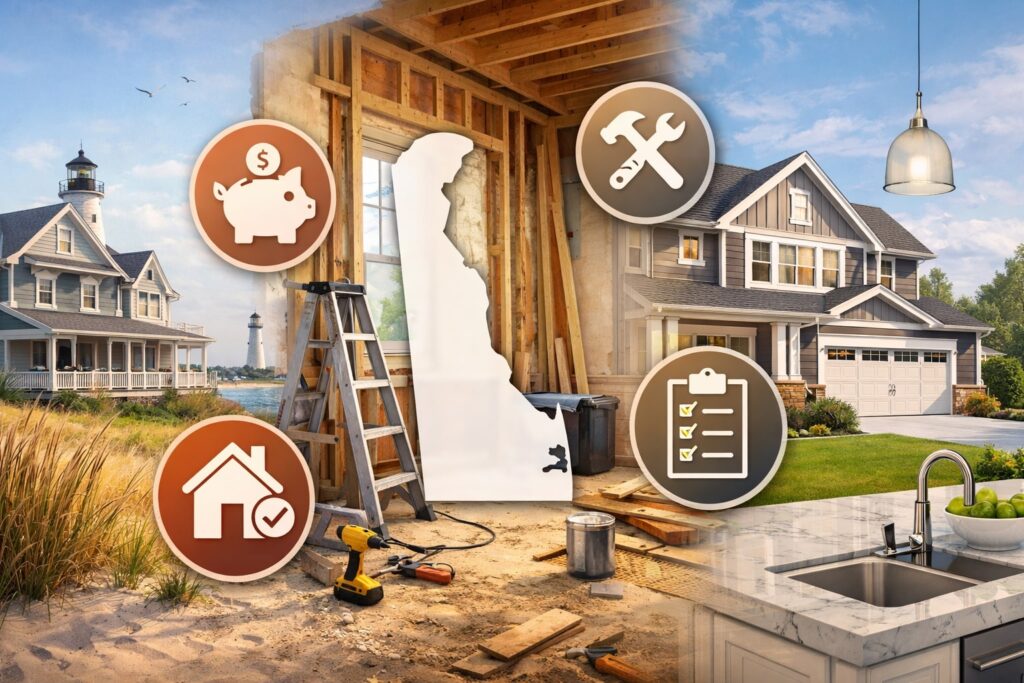
A successful home renovation Delaware project begins with understanding what’s common in Delaware housing. Many homeowners deal with older framing, mixed-era additions, and renovations done in phases over decades.
That affects everything—from wiring capacity and insulation gaps to floor leveling and hidden plumbing surprises. In practical terms, it means you should budget for discovery work: opening a few walls, checking joists, scoping drains, and inspecting the attic before you finalize design decisions.
Delaware also has strong regional differences. Northern areas often have denser neighborhoods, older rowhomes, and stricter local review in certain districts. Central areas may feature mid-century homes that benefit from layout updates and electrical modernization.
Coastal communities face wind, salt air, and flood risk that can drive material choices and elevation requirements. A home renovation Delaware plan that ignores moisture management—like proper flashing, ventilation, and drainage—often turns into repeat repairs.
Another reality: renovations are increasingly shaped by energy costs and comfort expectations. Homeowners want quieter interiors, fewer drafts, and stable temperatures, which pushes upgrades like air sealing, better windows, and heat pump systems higher on the priority list.
Delaware’s programs can help reduce those costs, but only if you build them into your plan early.
Finally, the best home renovation Delaware outcomes come from sequencing: fix the building envelope first (roof, drainage, air sealing), then mechanical systems, and only then finishes like cabinets and tile. That order prevents you from paying twice when you later discover a leak or a ventilation problem.
Setting Goals That Fit Your Lifestyle and Resale Market

Before you spend a dollar, decide what “success” means. A home renovation Delaware project can focus on resale value, daily comfort, accessibility, lower utility bills, or reducing maintenance headaches. The biggest mistake is trying to maximize everything at once without a clear hierarchy.
Start by defining a primary goal and two secondary goals. For example:
- Primary: make the home more energy efficient and comfortable
- Secondary: modernize kitchen workflow, add storage
- Secondary: prepare for aging-in-place
Then align the scope. If comfort is the priority, invest early in insulation, air sealing, duct improvements, and humidity control. If resale is the priority, focus on kitchens, baths, curb appeal, and functional layout.
If you’re staying long-term, choose durable finishes and systems that lower ongoing costs—because long ownership rewards performance more than trendy design.
Delaware buyers commonly value practical upgrades: functional kitchens, clean bathrooms, good mechanicals, and predictable maintenance. That means your home renovation Delaware plan should avoid ultra-custom changes that reduce broad appeal—like removing a bedroom for a giant closet—unless you’re confident you’ll stay long enough to enjoy it.
Also consider the neighborhood “fit.” Over-improving far beyond nearby comparable homes can make it harder to recoup costs.
Write your goals down in plain language and use them as a filter. Every time you consider an upgrade, ask: does this support the goals? That discipline is what separates a controlled home renovation Delaware project from a budget runaway.
Budgeting and Cost Control for Home Renovation in Delaware

A realistic budget is your best stress-reduction tool. For home renovation Delaware projects, costs often rise due to older-home surprises (hidden water damage, outdated wiring, uneven framing), local labor demand, and material lead times. Your goal isn’t just “set a budget.” Your goal is to build a budget that can survive reality.
Use a three-layer budget:
- Base scope (must-haves): core build, required repairs, code-driven work
- Quality choices (nice-to-haves): upgraded finishes, premium fixtures
- Contingency (non-negotiable): typically 10–20% depending on age/complexity
Older homes should lean toward the higher end because the odds of surprises go up when you open walls. For a home renovation Delaware plan, also include “soft costs” that people forget: design fees, permit fees, dumpster/haul-away, temporary living costs, storage pods, and post-renovation cleaning.
To control spending, lock your scope before construction starts. Scope changes are where budgets break. If you must change something, change one variable at a time—like swapping a finish—rather than moving walls midstream.
Also build a decision schedule: choose tile, cabinetry, plumbing fixtures, and lighting early, so the contractor isn’t waiting while costs rise.
Finally, track spending weekly. A simple spreadsheet with categories (demolition, framing, HVAC, electrical, plumbing, insulation, drywall, flooring, cabinets, paint) helps you spot budget creep early.
Done right, home renovation Delaware budgeting is less about guessing totals and more about preventing expensive surprises from becoming disasters.
Permits, Inspections, and Regulations in Delaware

Permitting can feel intimidating, but it’s manageable when you plan for it early. Most municipalities require permits for structural changes, major repairs, and licensed trades like electrical, plumbing, and mechanical work.
In Wilmington, for example, the city indicates permits are required for new structures, changes to existing structures (including demolition), and repairs that include electrical, plumbing, and mechanical work.
A practical home renovation Delaware approach is to assume you’ll need permits when you:
- Move or remove walls
- Add windows/doors or change openings
- Replace or add HVAC equipment and ducting
- Upgrade electrical panels or run new circuits
- Alter plumbing lines or add fixtures
- Build decks, porches, additions, or finished basements (often)
Even when a permit isn’t technically required, inspection-grade work protects you. Permitted work also matters for future resale and insurance claims.
Health and safety rules are also part of renovation reality. If your home was built before 1978, lead paint may be present. Renovation work that disturbs painted surfaces can create hazardous dust, and certified lead-safe practices may be required under the Renovation, Repair and Painting (RRP) framework.
For many homeowners, this becomes relevant during window replacement, sanding, demolition, and repainting projects.
Asbestos is another concern in older materials—like certain flooring, pipe insulation, or textured finishes. Delaware has specific regulatory requirements for handling and disposal of asbestos-containing materials during renovation and demolition.
The best home renovation Delaware move: talk to your local permitting office early, confirm what’s required for your exact scope, and ask about inspection stages so you can plan contractor scheduling without delays.
Hiring Contractors in Delaware and Protecting Yourself With the Right Contract
Your contractor choice can make or break a home renovation Delaware project. Start with a shortlist of pros who regularly work in your specific area and house style. A contractor experienced with beach-area wind exposure and corrosion details may not be the best fit for a historic rowhome—and vice versa.
Delaware also requires contractors performing “construction services” to be registered before work begins. As a homeowner, you don’t need to memorize every rule, but you should verify that the contractor’s business details, insurance, and registrations are current. Ask for proof of general liability insurance and—if they have employees—workers’ compensation coverage.
A strong contract is essential. Your home renovation Delaware agreement should clearly state:
- Detailed scope of work (attach plans/specs)
- Payment schedule tied to milestones (not just dates)
- Change order process (priced and signed before work)
- Allowances (exact amounts for fixtures/finishes)
- Start date, substantial completion target, and what delays mean
- Cleanup responsibility and debris hauling
- Warranty terms and punch list process
Avoid large upfront payments. A reasonable deposit is normal, but your leverage is progress-based payments. Also, insist on written change orders. Verbal changes are how budgets quietly explode.
Finally, consider communication style. You want a contractor who documents decisions, explains tradeoffs, and flags risks early. A calm, organized pro is often worth more than the lowest bid.
In a home renovation Delaware project, the cheapest estimate can become the most expensive outcome if it leads to delays, rework, or disputes.
High-Impact Renovations With Strong Return in Delaware
Not all upgrades perform equally. A smart home renovation Delaware plan focuses on improvements that increase daily function and buyer confidence. “Buyer confidence” often comes from the boring stuff: solid roof, updated electrical, good HVAC, and dry basements. Once those are strong, cosmetic upgrades actually shine.
Kitchen Renovation Strategy for Delaware Homes
Kitchen work is usually high-impact because it affects everyday living and resale appeal. But the best home renovation Delaware kitchen isn’t always the fanciest—it’s the most functional. Start with workflow: refrigerator-sink-cooktop path, landing zones next to appliances, and enough clearance for traffic.
If your layout works, consider a “keep the footprint” approach. Moving plumbing and gas lines often adds cost without equal return. Upgrade storage instead: deeper drawers, pantry pullouts, and smart corner solutions.
Lighting is another major value lever—combine ceiling lighting, under-cabinet task lighting, and a warm ambient layer so the space feels comfortable year-round.
Materials should match your lifestyle. If you cook daily, choose durable countertops and easy-clean backsplash surfaces. If you entertain, focus on seating and circulation. For Delaware’s humidity swings, pick cabinetry finishes and ventilation that resist warping and lingering odors.
Also plan for electrical capacity. Many older homes need additional circuits for modern appliances. That’s where home renovation Delaware sequencing matters: electrical rough-in comes before cabinets, not after.
Finally, don’t underestimate ventilation—especially if you’re improving air sealing elsewhere. A properly ducted range hood helps control moisture and indoor air quality, which matters in both older and tightly sealed homes.
Bathroom Renovation That Avoids Moisture Failures
Bathrooms deliver value because they signal cleanliness, comfort, and low maintenance. But bathrooms are also where shortcuts cause expensive damage. A quality home renovation Delaware bathroom plan starts with waterproofing and ventilation—not tile selection.
Assume moisture is your enemy. Use a ventilation fan sized for the room and vented outdoors. Invest in proper shower waterproofing systems and correctly sloped shower pans. If you’re renovating in an older home, check framing condition, subfloor stiffness, and plumbing supply lines early.
A common best practice: prioritize a “dry, bright, easy-to-clean” design. Large-format tile can reduce grout lines. Wall-mounted or furniture-style vanities can improve cleaning access. Thoughtful lighting (mirror lighting plus ceiling lighting) prevents the dim, shadowy look that makes bathrooms feel dated.
For Delaware homeowners planning to stay long-term, consider comfort upgrades with real daily payoff: a comfort-height toilet, a wider vanity, and a walk-in shower entry. If resale matters, keep choices neutral and timeless.
In a home renovation Delaware context, that often means classic finishes, quality hardware, and durable flooring that can handle wet feet and seasonal humidity.
Basement and Crawlspace Upgrades for Comfort and Value
Basements and crawlspaces can either support a healthy home or quietly sabotage it. Delaware’s moisture patterns mean these spaces need special attention. A good home renovation Delaware strategy treats basement finishing as the last step, not the first.
Start by controlling water: gutters, downspouts, grading, and exterior drainage. Then manage humidity with ventilation or dehumidification. If you have a crawlspace, consider encapsulation and proper vapor barriers where appropriate. The goal is to prevent mold and protect structural elements.
When finishing a basement, use moisture-tolerant materials. Choose flooring and wall systems that can handle occasional dampness without turning into a mold farm.
Also plan egress requirements and safety codes—especially if you’re adding bedrooms. Storage, laundry improvements, and a comfortable rec room often add more usable value than forcing a basement into a complex apartment-style build.
Mechanical systems matter too. If your HVAC equipment is in the basement, ensure service access remains clear and that combustion appliances have safe ventilation.
In a home renovation Delaware project, basement upgrades are one of the best “whole-home comfort” moves—because a dry, conditioned lower level improves air quality, reduces pests, and stabilizes temperatures above.
Energy Efficiency, Rebates, and Electrification in Delaware
Energy upgrades are no longer niche—they’re mainstream value. The best home renovation Delaware projects often combine comfort improvements with incentive programs that reduce cost.
Energize Delaware offers residential rebates and assistance programs for energy-efficient upgrades, and it’s worth checking eligibility before you finalize your scope.
A strong plan usually follows this order:
- Home assessment (if available through programs)
- Air sealing (attic bypasses, rim joists, top plates)
- Insulation upgrades (attic first, then walls where practical)
- HVAC modernization (often heat pumps)
- Water heating (heat pump water heater where suitable)
- Smart controls and ventilation tuning
This sequence matters because new HVAC works best in a tighter, well-insulated home. Oversized systems in leaky homes waste money and cycle poorly.
Delaware also references home energy rebate program pathways through DNREC tied to broader federal funding structures, including efficiency and electrification rebate concepts.
The practical takeaway: incentives can evolve, so you should verify current offerings at the time you plan your home renovation Delaware project and ask contractors which programs they work with.
Electrification is also a future-proofing move. Even if you’re not changing everything today, consider “electrical readiness”: leave panel capacity, run conduit where helpful, and plan for future EV charging. It’s often cheaper to prepare during renovation than retrofit later.
Finally, don’t ignore windows and doors—but treat them as part of a full envelope strategy, not a standalone fix. Air sealing and attic insulation can outperform window replacement in many cases. A high-performing home renovation Delaware energy plan is about the system, not a single product.
Resilience Planning: Storms, Flooding, and Coastal Conditions
Resilience is becoming a core part of home renovation Delaware decision-making—especially in coastal and low-lying areas. Flood and storm risk influences permitting, insurance, and long-term maintenance costs.
Sussex County, for example, references flood map ordinance alignment with continued participation requirements tied to the National Flood Insurance Program framework. DNREC also provides floodplain management guidance and resources for communities participating in floodplain standards.
For homeowners, resilience planning looks like smart upgrades:
- Improve drainage (grading, downspouts, sump systems where needed)
- Choose impact-resistant or wind-rated exterior components where appropriate
- Use corrosion-resistant fasteners and hardware near the coast
- Elevate or protect mechanical equipment in flood-prone areas
- Install backflow prevention where recommended
- Add battery backup or generator readiness for critical loads
Climate planning resources in Delaware discuss sea level rise trends and future scenarios, along with mapping tools that highlight risk to structures and infrastructure. Even if your home isn’t on the immediate shoreline, heavier rain events and drainage issues can affect inland neighborhoods too.
A practical home renovation Delaware resilience mindset is: “Assume water will try to get in, and design the house to shed it.” That means better flashing, better ventilation, and better drainage. If you’re renovating a ground-floor space near the coast, choose materials that can tolerate moisture and recover faster after an event.
Resilience upgrades may not be as “glamorous” as a kitchen, but they can protect your renovation investment for decades—especially as insurers and lenders pay more attention to flood exposure and maintenance history.
Renovating Older and Historic Homes in Delaware
Delaware has many historic properties and designated districts where renovations may need extra review. If your home qualifies under historic programs, you may have access to preservation incentives, but you’ll also need to follow rehabilitation standards and approval processes.
Delaware’s Historic Preservation Tax Credit program information and application process updates are maintained through the state’s preservation office resources.
A smart home renovation Delaware plan for an older or historic home starts with diagnosis:
- Structural condition (sills, joists, settlement patterns)
- Moisture sources (roof, gutters, masonry, foundation)
- Electrical safety and capacity
- Plumbing material condition (supply and drain)
- Envelope performance (air leakage and insulation gaps)
Then choose upgrades that respect the building. For example, old homes often need ventilation improvements when air sealing increases tightness.
Window decisions are another common crossroads: sometimes repair plus storm windows makes sense; sometimes replacement is justified if energy loss and deterioration are severe. The “right” answer depends on condition, budget, and any review requirements.
Historic homes also benefit from careful material compatibility. Using the wrong masonry mortar or trapping moisture behind impermeable layers can cause long-term damage. Work with pros who understand older assemblies.
For many homeowners, the goal is balanced modernization: improve comfort and safety without erasing character. That’s a powerful home renovation Delaware approach because it protects long-term value and keeps the home aligned with the neighborhood’s aesthetic and expectations.
Indoor Health and Safety: Lead Paint, Asbestos, and Air Quality
A renovation should make your home safer—not riskier. In Delaware, older homes commonly raise questions about lead paint and asbestos.
If your home predates 1978, renovations that disturb painted surfaces can create lead dust, and lead-safe certified practices may be required for certain types of work. This is especially relevant for sanding, window replacement, demolition, and repainting projects.
A practical home renovation Delaware safety checklist includes:
- Ask contractors how they control dust (containment, HEPA filtration, cleanup)
- Confirm lead-safe procedures if the home age suggests risk
- Avoid DIY sanding of old paint without proper precautions
- Test or inspect suspect materials before demolition
Asbestos is also a concern in some older building materials. Delaware’s DNREC resources describe regulatory requirements for handling and disposing of asbestos-containing materials and related debris during renovation and demolition. The safest approach is to identify materials before they’re disturbed.
Indoor air quality should be part of your plan, not an afterthought. When you tighten a home through air sealing and insulation, you often need better ventilation to maintain healthy airflow. Consider bath fans, kitchen ventilation, and whole-home ventilation strategies where appropriate. Also prioritize low-VOC paints and adhesives if household sensitivity is a concern.
A well-managed home renovation Delaware project protects your family during construction and delivers a healthier home afterward. The key is to treat dust control, ventilation, and material safety as core scope items—not optional extras.
Project Timeline, Sequencing, and How to Avoid Renovation Delays
Delays usually happen for predictable reasons: unclear scope, late design decisions, permit timing, material lead times, and change orders. A disciplined home renovation Delaware schedule reduces risk by sequencing work properly and locking choices early.
A typical renovation flow looks like this:
- Planning and design (scope, drawings, selections)
- Contractor bids and final contract
- Permitting and approvals
- Demolition and rough framing
- Rough mechanicals (plumbing, electrical, HVAC)
- Inspections
- Insulation and drywall
- Flooring, cabinets, trim
- Paint, fixtures, final connections
- Final inspections and punch list
The biggest schedule killer is selecting finishes too late. If cabinets are delayed, everything backs up. If tile isn’t chosen, showers stall. For a home renovation Delaware plan, create a “selection deadline list” with dates for cabinets, counters, tile, flooring, plumbing fixtures, lighting, doors, and paint colors.
Also plan around seasons. Exterior work can be weather-sensitive, especially near the coast. If you’re replacing roofing, siding, windows, or building a deck, coordinate timing so your home isn’t exposed during risky weather windows.
Finally, keep communication structured: weekly check-ins, written updates, and a shared change-order log. Renovations move faster when everyone is aligned. A calm, documented home renovation Delaware process is the best predictor of an on-time finish.
Future Predictions: Where Delaware Renovations Are Headed Next
The next wave of home renovation Delaware projects is likely to be shaped by three forces: energy performance expectations, climate resilience, and aging-in-place design.
Homebuyers and homeowners are paying more attention to monthly operating costs and comfort, not just finishes. That puts envelope upgrades, heat pumps, and smarter controls at the center of value.
Resilience will also keep rising as a priority. Flood mapping tools, changing insurance requirements, and community planning discussions around coastal exposure push homeowners toward water management, corrosion-resistant materials, and elevated mechanical systems.
Delaware’s climate and coastal planning resources increasingly emphasize future scenarios and tools for risk awareness. Even homeowners outside beach towns are likely to feel the impact through heavier rainfall events and drainage considerations.
Aging-in-place is another major driver. Wider doorways, main-floor living options, improved lighting, fewer trip hazards, and walk-in showers are becoming common “quiet upgrades” that improve daily life and make homes more flexible for resale.
Design trends will evolve, but the fundamentals won’t: people want durable, low-maintenance, healthy homes. The best future-proof home renovation Delaware strategy is investing in the stuff that doesn’t go out of style—dry basements, solid roofs, efficient systems, safe wiring, and layouts that work.
FAQs
Q.1: What renovations usually need permits in Delaware?
Answer: In a home renovation Delaware project, permits are commonly required when you change structure, modify building systems, or perform work tied to safety codes. Structural changes like removing walls, adding beams, or expanding rooms typically require review.
Electrical panel upgrades, new circuits, HVAC replacements, plumbing reconfiguration, and major repairs often require permits as well. Many municipalities also require permits for decks, additions, and window/door changes that alter openings.
A good rule is: if the work affects how the home stands up, how it stays dry, how it’s powered, or how it’s heated/cooled, assume a permit is likely. Municipal guidance can vary, and city requirements can be more detailed in certain areas.
For instance, Wilmington indicates permits are required for new structures, changes to existing structures (including demolition), and repairs that include electrical, plumbing, and mechanical work.
Permits aren’t just red tape. They create inspection checkpoints that can prevent unsafe wiring, poor venting, or structural mistakes that become expensive later. If you’re hiring a contractor, clarify in writing who pulls permits and who schedules inspections.
The safest home renovation Delaware practice is to confirm requirements early so permits don’t become a last-minute delay.
Q.2: How do I use Delaware energy rebates to reduce renovation costs?
Answer: To get the most out of incentives, you need to plan around them—because many programs require approved contractors, specific documentation, or pre/post verification.
Energize Delaware lists residential rebates and assistance options aimed at reducing costs for energy-efficient upgrades. The best approach is to check program requirements before you finalize bids, then choose contractors familiar with the process.
A strong home renovation Delaware rebate strategy starts with the highest-impact measures: air sealing, insulation, heating/cooling upgrades, and efficient water heating. When those are bundled into a cohesive plan, you usually get better comfort and better long-term savings.
Also watch for evolving programs. Delaware’s DNREC describes home energy rebate program pathways connected to broader funding, with expectations and timing that can change as implementation updates occur. That’s why it’s smart to verify the “current” version of any incentive right before you commit.
The key is coordination. If you wait until the end of the renovation to think about rebates, you may miss eligibility steps. Build incentives into your home renovation Delaware plan from day one and treat paperwork as part of the scope.
Q.3: What should I do if my home might have lead paint or asbestos?
Answer: If your home was built before 1978, treat lead paint as a real possibility. Renovations that disturb painted surfaces can create hazardous dust, and certified lead-safe practices may apply under RRP expectations.
In practical terms, you should ask contractors how they contain dust, whether they follow lead-safe methods for older homes, and how they clean up. Avoid DIY sanding or demolition of old painted surfaces without proper containment.
Asbestos can appear in certain older materials like flooring, insulation, or textured finishes. Delaware’s DNREC explains that the state has regulatory requirements for handling and disposing of asbestos-containing materials during renovation and demolition.
The safest path is to identify suspect materials before demolition begins, then use qualified professionals for removal and disposal if needed.
A responsible home renovation Delaware plan includes a “hazard check” phase before you open walls or tear out old finishes. It protects your family, keeps workers safe, and reduces the risk of work stoppages mid-project.
Q.4: How can I reduce flood and storm risk during a renovation?
Answer: A renovation is the perfect time to add resilience because systems and surfaces are already being opened. For home renovation Delaware projects, start with water management: gutters, downspouts, grading, drainage, and foundation moisture control. Then consider wind and corrosion exposure if you’re near the coast.
Flood-focused rules and community requirements can influence what you’re allowed to build in certain zones. Sussex County’s flood map ordinance references requirements tied to continued participation standards aligned with NFIP expectations. DNREC also provides floodplain guidance resources that support compliance and planning.
From a homeowner standpoint, resilience upgrades include elevating outdoor condensers, protecting electrical components, choosing moisture-tolerant materials on lower levels, and using corrosion-resistant exterior fasteners near salt air. Add backup power readiness for essentials if outages are common where you live.
A resilient home renovation Delaware approach is simple: improve the home’s ability to shed water, recover quickly, and keep critical systems safe.
Q.5: What are the most common reasons Delaware renovations go over budget?
Answer: Budgets usually break for predictable reasons. First, scope creep: small “while we’re at it” changes add up fast. Second, late decisions: when materials aren’t selected on time, contractors either pause (delay costs) or substitute (quality costs).
Third, hidden conditions: older homes often reveal wiring problems, moisture damage, or structural issues after demolition.
A strong home renovation Delaware budget avoids these traps by using a clear scope, allowances you actually understand, and a real contingency (often 10–20%). It also helps to schedule a pre-construction investigation: check attic insulation, inspect crawlspaces, scope drains, and open limited access points to reduce surprises.
The final culprit is weak change-order discipline. If you allow verbal changes, you’ll get financial chaos. Written change orders keep your home renovation Delaware project honest, trackable, and far less stressful.
Conclusion
A successful home renovation Delaware project is less about picking trendy finishes and more about making smart, locally informed decisions. When you plan around Delaware’s housing realities—older structures, moisture exposure, local permit requirements, and evolving resilience needs—you reduce risk and increase long-term value.
Start by setting clear goals, building a budget with a real contingency, and locking scope early. Respect the permitting process and prioritize health and safety in older homes, especially around lead paint and asbestos.
Use available energy programs to improve comfort and reduce costs, and consider resilience upgrades that protect your investment against storms and flooding.
If you take one principle from this guide, let it be this: sequence matters. Fix the envelope, modernize systems, and then invest in finishes. That approach consistently delivers better comfort, fewer surprises, and stronger resale outcomes.
With a disciplined plan, the right contractor, and a focus on durable improvements, your home renovation Delaware journey can be smoother—and your home can be better prepared for the future.